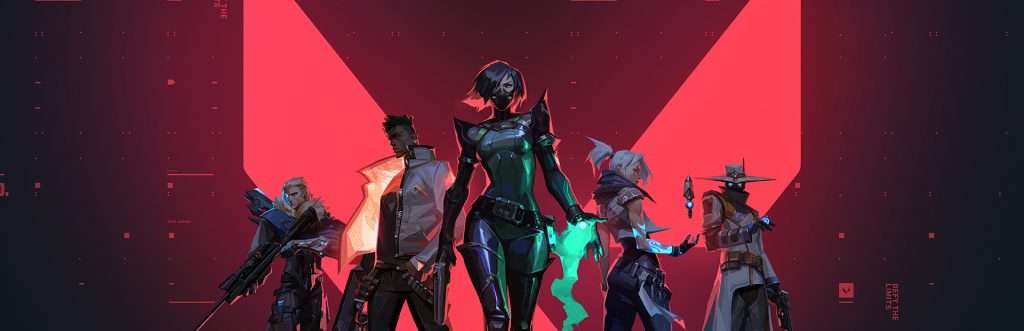
Valorant is the competitive FPS most players in the genre point to when the conversation turns to merging tactical shooting with agent abilities. Released on June 2, 2020, it brought Counter-Strike-style buy rounds and learnable spray patterns together with a 29-agent roster split into four roles, each with a distinct job that a full team needs covered. In the years since, it's pulled in between 300,000 and 1,000,000 daily concurrent players, built a global esports structure through the Valorant Champions Tour, and expanded from PC onto PS5 and Xbox Series X/S in August 2024. Whether it holds up now depends on how you're going in. The agent system and the economy layer compound on top of the gunplay, and what that combination feels like changes with your rank and your role comfort. The metric breakdown below covers gunplay, maps, movement, squad design, and the monetisation model so you know where it earns its reputation and where the friction sits.
Play this if you want a tactical FPS where team composition and agent abilities layer strategy on top of the gunplay, and you’re prepared to invest time learning which roles and abilities do what in competitive play.
Play this if you want a free competitive FPS where full weapon access and the agent roster are all earnable through play, with nothing in the paid track affecting match outcomes.
Skip this if agent roles and team composition feel like overhead you don’t want to engage with. Valorant’s competitive layer is built around them, and ignoring the system is a real handicap in ranked.
Skip this if movement depth is what you’re after. Counter-strafing and agent mobility are polished and precise, but they work in service of the gunplay and positioning, not as an expressive traversal system in their own right.
Here's where Valorant delivers and where it comes up short, with 3 pros and 3 cons drawn from our full metric breakdown.
Metric Gamer scores Valorant 4.2/5 — "Valorant pairs the cleanest free-to-play model in the genre with an agent system that changes how team play works from round to round. Understanding which role your team needs and how your agent's abilities interact with the rest of the squad is the skill that separates competitive matches. If you're prepared to put time into that alongside the gunplay, it's a free competitive FPS that keeps paying off."
Valorant's monetisation model gives every player the full competitive game from the first session, and the line between what's free and what costs money runs along a clear axis. Every weapon is available to every player with no spend required. The battle pass costs 1,000 VP (approximately $10) per act for the premium track and contains cosmetic content only: no skin provides an iron sight advantage or a visibility edge over the default appearance, and nothing in the paid track affects how a weapon fires or registers. The five agents every new account starts with cover all four roles, which means you can run a viable team composition in Competitive without spending anything. Unlocking the full 29-agent roster through Kingdom Credits takes months of regular play, but nothing you're waiting on prevents you from queuing into Competitive. Spending applies to how your weapons look; that's where it stops.
The best maps in Valorant's 2026 competitive rotation are deep enough that map knowledge keeps paying off well past the initial learning curve. Ascent is the pool's reference point: mid control determines which rotation options are open for both teams, and the A-main and B-short read requirements shift depending on who holds it, so teams that contest mid well play a structurally different game from those that don't. Haven and Lotus both run three bomb sites, which forces defenders to spread more thinly and gives attackers an extra execute path that two-site maps don't offer. Fracture places both attacker spawns at opposite ends of the map via a rope system, making the rotation model unlike anything else in the pool. Unfortunately, the pool isn't even across its seven entries. Breeze's long exterior sightlines push compositions toward Operator-heavy setups in a way the other maps don't, and Split's vertical structure means early engagements often settle a round's direction before map-specific knowledge becomes relevant. Bind came out of the competitive rotation after years in ranked play. You'll find it in Unrated and Swiftplay but not Competitive.
The gunplay in Valorant is precise where it counts, and the weapons the competitive meta asks for are worth building around. The Vandal's spray pattern takes real range time to control. Land the first shot to the head and it's an instant kill at any range, but the recoil demands control in a burst in a way the Phantom doesn't. The Phantom trades that ceiling for a quieter report and a more forgiving pattern, which makes it the preference for shorter angles and maps where the one-tap differential matters less. The Operator adds a different layer: a one-shot kill anywhere on the body. It costs enough that buying one is a team-level economy call, and a player settled on it shuts a sightline down until they miss. Hit audio confirms contact differently from a miss, and enemies react visibly to damage, so you know what's landing without checking the kill feed. Riot's 128-tick servers keep what the client shows and what the server registers close enough that hit feedback is reliable. The 2026 arsenal added the Bandit, filling the pistol round gap between the silenced Ghost and the higher-power Sheriff. Unfortunately, competitive play settles quickly around those core weapons. Whichever rifle suits the map and the Operator when the economy allows cover the competitive essentials, and most of the buy menu sits around them serving niche roles the meta rarely calls for. The gunplay rewards the investment you put into what matters; the investment just doesn't extend to much else.
The movement in Valorant creates a real skill gap between players who've put time into it and those who haven't, and it reinforces the game's tactical identity at every level. Counter-strafing, stopping your directional input briefly before shooting to return your crosshair to minimum spread, is the technique every agent shares and the one that most clearly separates how experienced players peek angles from how newer ones do. Jiggle peeking builds on it: briefly exposing yourself to bait a shot or gather information before returning to cover, timed off the same movement discipline. Some agents extend beyond this foundation. Raze's satchel blasts let her reach positions no standard movement covers, and Jett's dash combined with Neon's sprint give both a high-speed playstyle that changes how engagements start and end. Unfortunately, that depth is agent-specific. Play Cypher or Killjoy and your options come down to counter-strafing and positioning, the same as any other player. The movement does what the game needs it to do, and does it well. For most of the roster, the skill ceiling is how clean and disciplined your positioning is.
Team composition in Valorant is a genuine axis of competitive advantage, and the role requirements built into the agent system make that visible in ranked matches. Controllers like Brimstone and Omen provide smokes that make standard executes viable; without one, most push sequences don't work because the sightlines that need covering stay open. Initiators like Sova and Breach create pre-entry information: a Sova recon bolt marks defender positions before the push, and a Breach fault line flashes and disrupts players holding an angle before the entry duelist goes in. Sentinels like Killjoy anchor one side of the map, placing a turret and alarmbot that monitor flanks and give the team rotational information it wouldn't otherwise have. Duelists are built to take space, and a Jett who goes in after Breach has cleared the angle is playing a different round from one going in cold. The composition pays off most at high rank and in professional play, where it's decided before the map loads and drives how both sides structure every round. Unfortunately, the payoff scales with rank. In lower Competitive tiers, individual aim carries enough that a team with no Controller can still win matches, and understanding why composition matters is something players grow into at their own pace.
Discover more free to play games like Valorant through our curated lists and collections that feature this title.
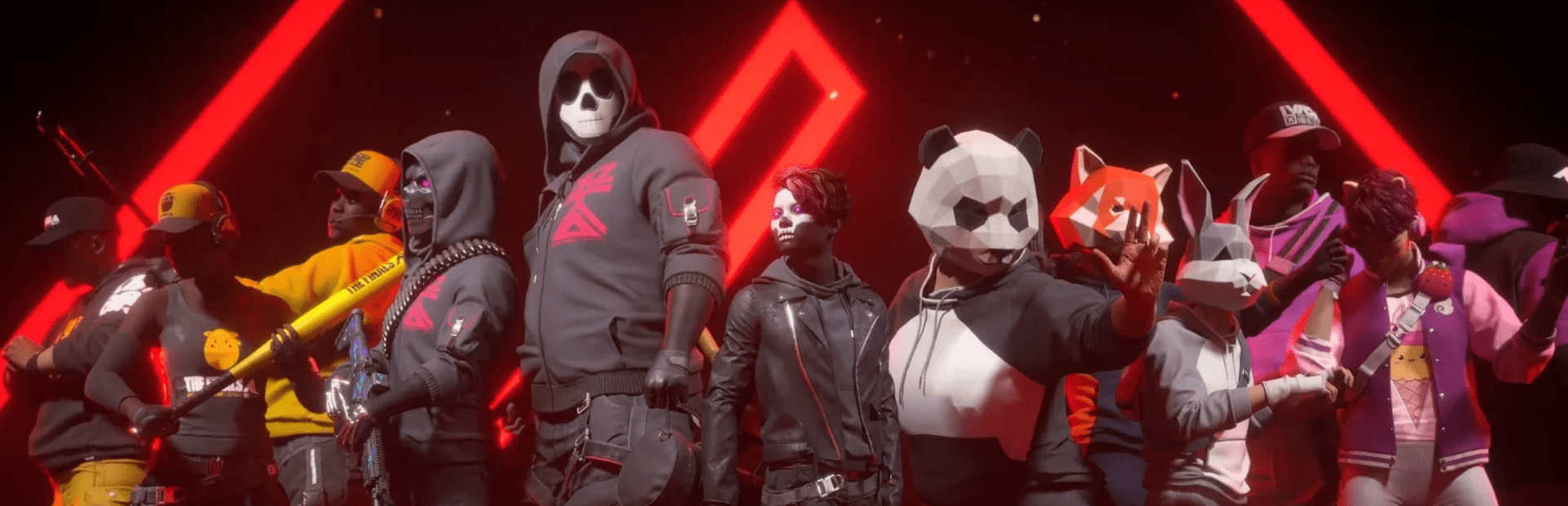
Free online FPS is one of the most competitive categories in gaming, and in 2026 it's also one of the most populated. Across the five games below, the combined monthly player base runs into the tens of millions. What separates the best free online FPS games from the rest isn't download count. The gunplay either rewards investment or it doesn't, and whether the paid model stays outside the competitive game is the other axis that matters. Those distinctions don't show up in a marketing headline, but they determine whether a game is worth investing time in. The five games ranked below are all free to play and were each scored on the metrics most relevant to their sub-genre. The individual metric scores from each game page built these rankings, so you'll see exactly what earns a position and what costs one. The breakdown covers what each game does well and where the friction sits, so you can judge whether it's worth your time before downloading anything.
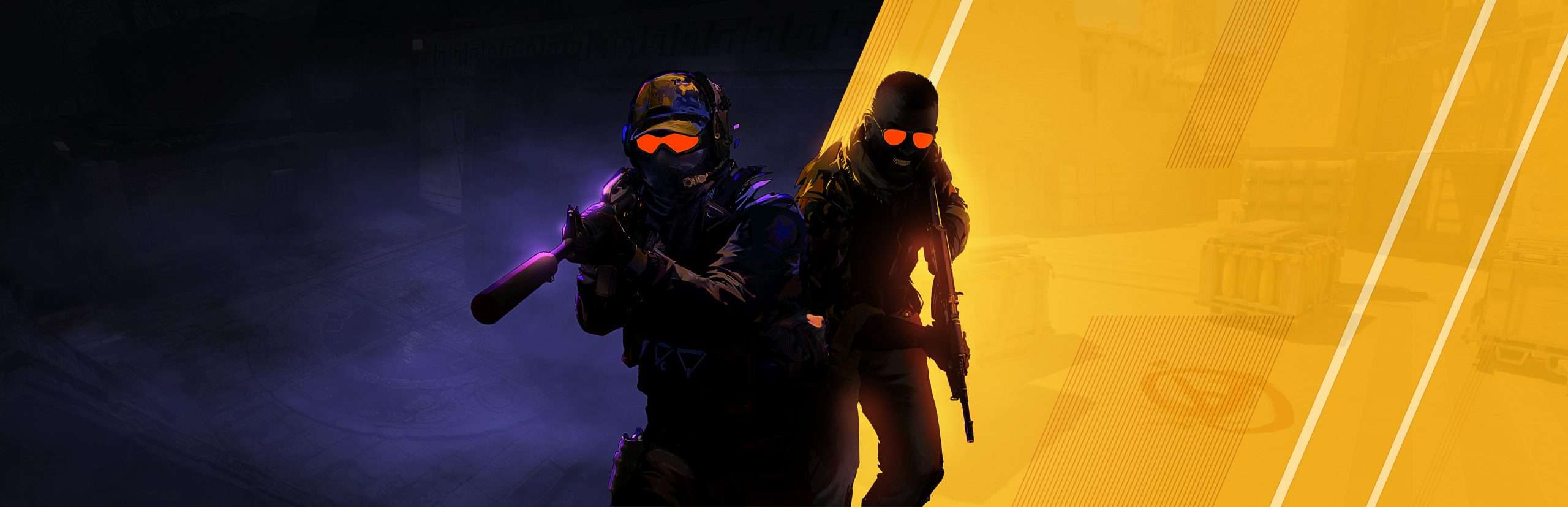
Split-screen gaming has been a cherished tradition for generations of gamers. But which game is actually worth your time? This list delves into the best the best free two player shooter games available on the PC, with each game scored and ranked on a defined set of metrics unique to the shooting game niche!
Welcome to our guide on the best free to play shooter games on PC! This list breaks down the most popular free to play multiplayer shooters available right now, with each game scored and ranked based on its own set of metrics unique to shooting games!

I am a massive car enthusiast, which is reflected in the games I enjoy. I've played almost every Need for Speed game and am always on the hunt for new car games.
View Profile