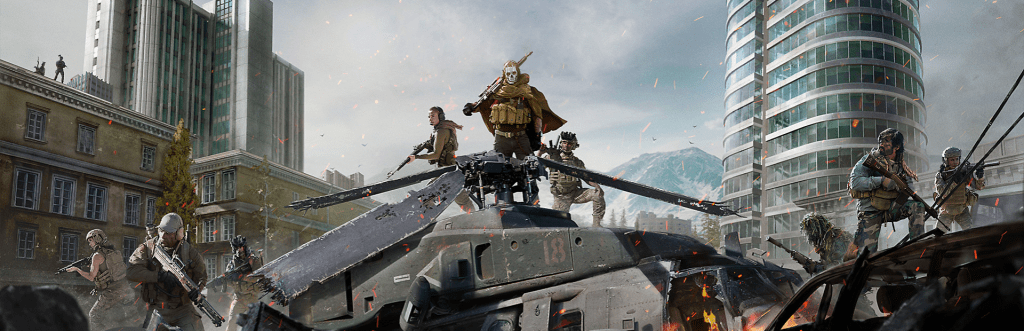
Call of Duty: Warzone is the free battle royale that most players in the FPS space bring up when the genre's longest-running titles come up in conversation. The original 2020 version set the standard for what a free-to-play battle royale could look like at scale, reaching 100 million players within its first year. The current version launched in November 2022 has since integrated with Black Ops 7, bringing Black Ops Royale alongside the returning Verdansk map. It sits between 30 and 50 million monthly active users across all platforms as of 2026. Whether it holds up now depends on which part of the experience you're evaluating. The gunplay and map quality are genuine strengths, but the game carries two persistent problems that haven't been resolved: paid blueprints with documented competitive advantages over their base weapon versions, and ongoing cheating in ranked. Both are worth understanding before you invest time. The metric breakdown below covers gunplay, movement, squad design, maps, game modes, community health, and the monetisation model so you have a clear picture of what you're getting into in 2026.
Play this if you want a large-scale free battle royale with the most developed attachment system in the genre, you have a squad that communicates on rotations and buy station economy, and you’re going in with clear expectations about the state of competitive play.
Skip this if you want a class-based team shooter where your role carries mechanical weight, if pay-to-win blueprint advantages are a dealbreaker, or if the military aesthetic of the original Warzone is part of what you’re returning for.
Here's where Call of Duty Warzone delivers and where it comes up short, with 4 pros and 4 cons drawn from our full metric breakdown.
Metric Gamer scores Call of Duty Warzone 2.7/5 — "Warzone's gunplay and the current map rotation are the best they've been in the game's current era, and the range of battle royale formats suits players who want a pace other than the standard long-form match. The two things that haven't been fixed are also the two that matter most to competitive players: paid blueprints with documented advantages over their base versions, and cheating in ranked. If you're going in with a regular squad and realistic expectations about what free-to-play looks like in 2026, the core game is worth the download."
The Gunsmith system in Warzone is built around real trade-offs. Each weapon comes with five attachment slots: a longer barrel improves bullet velocity and range but slows your ADS time, and a larger magazine keeps you in a fight longer but adds weight that shows up in how the weapon handles. An AR built for long-range engagements handles nothing like the same weapon specced for close quarters, and both choices are made at the loadout screen. That distinction is felt in practice, not just visible on the stats screen. Hit feedback is immediate and the audio confirms contact, so you know what's landing without checking the kill feed. Unfortunately, the meta converges quickly each season around a handful of top builds, and for three years of the original Warzone cycle new weapon additions were largely ignored by the competitive community regardless of how they felt to use. If you want to play outside the current meta you can, but you'll know you're doing it.
Warzone's movement has more going on than it looks like from the outside. Slide cancel, jump-peek, and bunny hopping all exist and carry a learnable skill gap. The community's reaction when slide cancel was removed during the WZ 2.0 launch period is proof of how much weight those techniques carry for players who've built them into their game. That said, the movement isn't a defining characteristic of the experience. It doesn't chain into anything the way Apex Legend's mechanics do. The destruction traversal that The Finals is built around isn't here either. If you're looking for a movement-first game, this isn't it. If you want a game that pays off clean mechanics without requiring a dedicated movement practice regime, the foundation is there.
Warzone doesn't have a class system. Operators are cosmetic-only. You pick a skin and the game proceeds identically regardless of which one you chose. Informal roles emerge from how squads build their loadouts: one player calls rotations and manages economy, another is built for aggressive close-range entry. A squad that manages buy station economy and rotations together reaches the endgame more often than one that doesn't. That coordination is real, but it's built around economic and positional decisions, not role-locked abilities. If class design and mechanical role distinction are what you want from a team shooter, Warzone doesn't have it.
Verdansk is the reason Warzone became what it became, and its return in 2025 was one of the most requested things in the game's history. The scale works because the map gives different playstyles room to operate. Superstore and Prison draw concentrated action, while the open countryside between them rewards longer-range play. There's enough POI density that there's always somewhere to rotate. Avalon, introduced with Black Ops Royale, is larger and built for wingsuit entry with no loadouts from the start. The pace there is more survival-oriented than core Battle Royale, and the two maps in the current BR rotation feel meaningfully different from each other. Unfortunately, players don't choose which map is active and the game's map history includes entries that landed poorly, Caldera and Urzikstan among them. The current two-map rotation being the best it's been in a while is worth appreciating.
Warzone covers most of the paces a battle royale player could want. Core Battle Royale on Verdansk or Avalon runs the full long-form match. Resurgence allows respawning and plays shorter. Plunder gives you a cash objective without a shrinking ring. Black Ops Royale drops you in via wingsuit with no loadouts and a more survival-oriented format. Ranked exists for both Battle Royale and Resurgence. The problem is that they're all battle royale. Each mode changes the pace or the rules but none changes the underlying game, and none works offline. Even the firing range requires a live connection. If you want to warm up mechanics without queuing into a live match, there's no way to do it. The mode list is wide for a battle royale game but thin for a shooter.
Getting into a match in Warzone isn't the problem. The game has between 30 and 50 million monthly active users across all platforms and matchmaking is fast across all squad sizes. Season 4 is as populated as the game has been in a while with Verdansk back in rotation. The cheating situation is the separate question. Ricochet has been updated across multiple seasons, with TPM 2.0 and Secure Boot requirements added in Season 01 2025, and the team has issued over 228,000 bans since Black Ops 6 launched. Ranked sessions in 2025 and 2026 still turn up recoil removal tools and wallhacks regularly, and the enforcement actions haven't produced a felt improvement in the experience. Casual play is more tolerable, but if ranked is where you plan to spend your time, the cheating situation is the most important thing to go in knowing.
Warzone is free to download and all base weapons are earnable through play or weekly challenges. That part of the model is clean. The problem is blueprints. Multiple documented cases across 2024 and 2025 show paid blueprints providing competitive advantages over the free base version of the same weapon. The AMR9's Poisoned Caress BlackCell blueprint gives cleaner iron sights than the default, something content creators and competitive players have independently identified as a meaningful edge in close-range engagements. The XM4 had a documented case where a paid blueprint retained higher headshot damage after a patch reduced the base weapon's output. Operator skin visibility is a separate, lower-stakes issue: hitbox geometry is confirmed identical across all operators, but darker skins blend into shadow cover in ways lighter defaults don't. The core game is playable for free, but specific paid blueprints carry competitive advantages over their base versions that free players can't replicate.
Discover more free to play games like Call of Duty Warzone through our curated lists and collections that feature this title.
Free online FPS is one of the most competitive categories in gaming, and in 2026 it's also one of the most populated. Across the five games below, the combined monthly player base runs into the tens of millions. What separates the best free online FPS games from the rest isn't download count. The gunplay either rewards investment or it doesn't, and whether the paid model stays outside the competitive game is the other axis that matters. Those distinctions don't show up in a marketing headline, but they determine whether a game is worth investing time in. The five games ranked below are all free to play and were each scored on the metrics most relevant to their sub-genre. The individual metric scores from each game page built these rankings, so you'll see exactly what earns a position and what costs one. The breakdown covers what each game does well and where the friction sits, so you can judge whether it's worth your time before downloading anything.
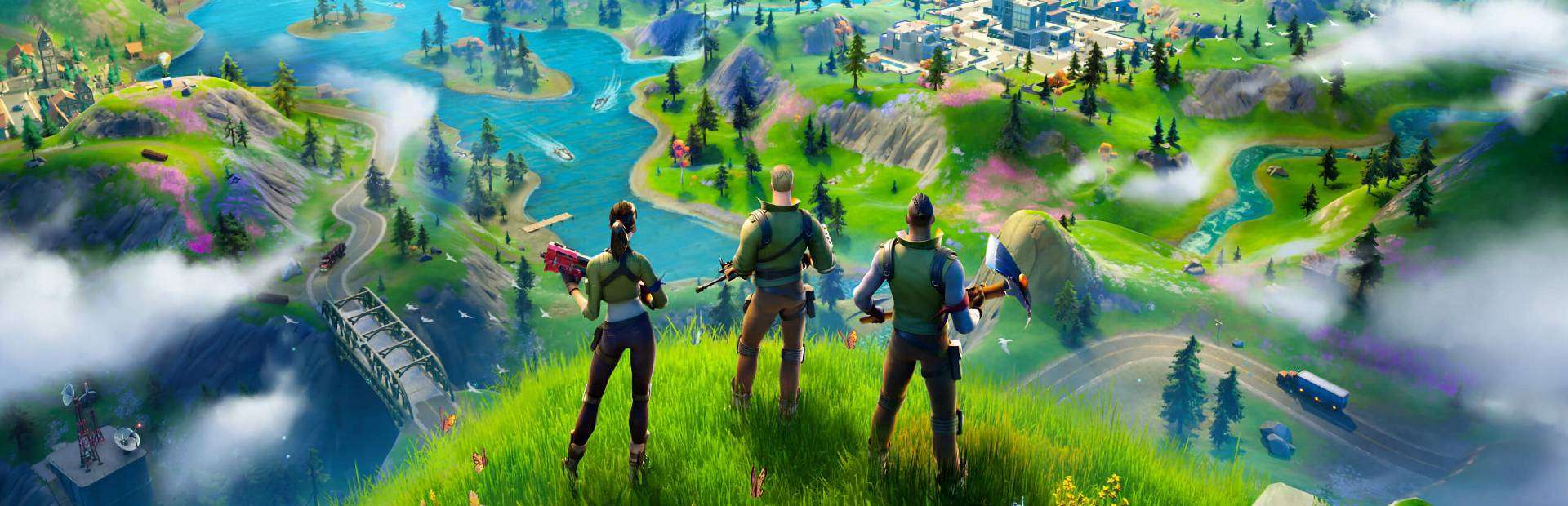
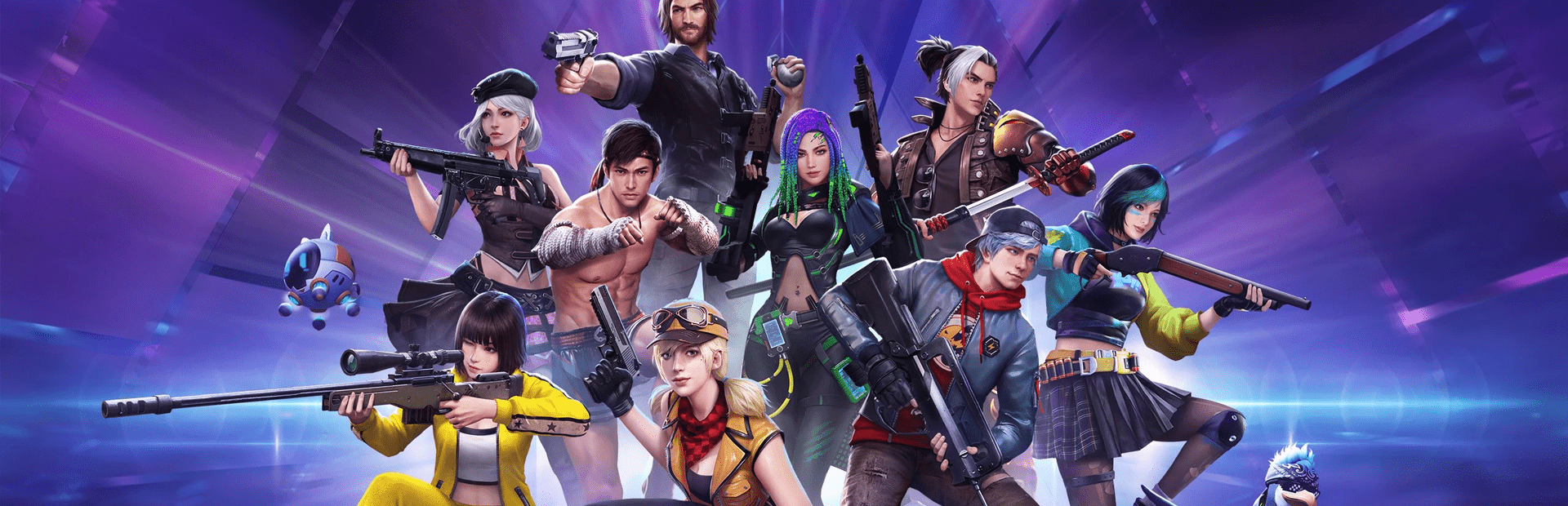
Welcome to our guide on the top 5 battle royale games on mobile in 2026! This list breaks down the most popular multiplayer games available right now, with each game scored and ranked based on its own set of metrics unique to mobile battle royale games!

I am a massive car enthusiast, which is reflected in the games I enjoy. I've played almost every Need for Speed game and am always on the hunt for new car games.
View Profile