
How Online Board Games Are Bringing Back Social Gaming
Introduction
There’s a very specific kind of memory a lot of people have; Sitting at a table, someone arguing over a rule in Monopoly they definitely didn’t just make up, someone else flipping through a rulebook that’s already been read three times, snacks everywhere, dice rolling off the table at the worst possible moment.
Then, people start to move, work gets in the way, someone’s always busy, and you find yourself longing to flip through that rulebook just one more time.
But what if the rulebook you could flip through was online?
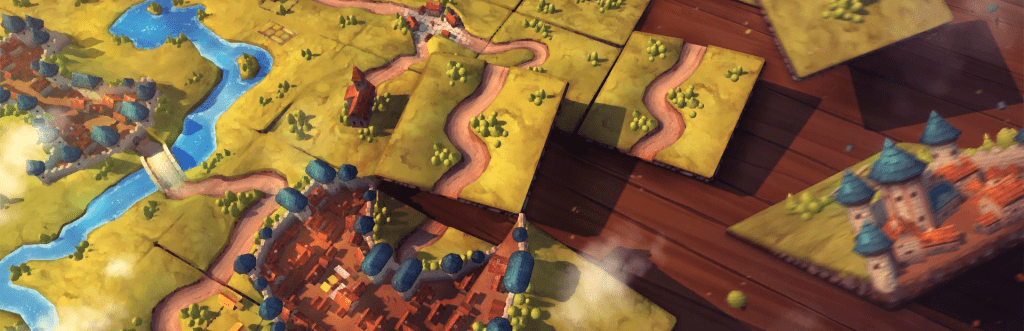
You just load up a digital version of Carcassonne and you’re back in that same kind of social rhythm again, just without the table.
Why Board Games Still Work Even When Everything Else Went Online
Board games are stubborn, but in a good way. They don’t care that everything else in gaming became faster, louder, more competitive, and more solo-focused. Board games still give people the same experience they always did, even if that experience can sometimes be digital now.
You still have to wait for other people. You still have to watch them make decisions you don’t agree with. You still get that moment where someone plays a move and the entire table goes quiet for a second because everyone realises what’s about to happen except them.
Even in digital form, whether it’s Ticket to Ride, 7 Wonders, or something heavier like Terraforming Mars, the actual experience is still built around people reacting to each other rather than just executing gameplay.
That’s why board games never disappeared in the first place. They don’t rely on reflexes or hardware or anything like that. They rely on attention, reading other people, and that slightly chaotic group energy that you can’t really fake.
Online versions have made it easier to actually get to that point without needing everything else to line up perfectly.
How Online Platforms Changed the Way People Actually Play
Anyone who has tried to organise a physical board game session as an adult knows how quickly it becomes an endless scheduling puzzle that never resolves. By the time the game actually starts, half the group has already mentally checked out.
Online platforms remove most of that friction; you open a game and it just starts. Everything from setup, pieces, turns and more is handled in the background so you can just focus on playing. That alone changes how often people actually engage with online board games, but an even bigger shift is who you can end up playing with.
You’re no longer limited to whoever happens to be physically available. You end up in matches with people who clearly play the same game constantly, people who are learning it for the first time, and sometimes people who are so experienced they’re basically playing a different version of the game entirely.
Over time, you start recognising behaviour patterns; you remember how certain players think and start adjusting your own decisions based on people you’ve played before, even if you’ve never spoken to them. The social part of gaming starts to feel social again.
Why the Community Side Hits Harder Than You Expect
At first it’s just usernames, quick matches, and anonymity. But then you start noticing repeat players; maybe someone joins your table again and you instantly remember how aggressively they play, or someone else shows up and you already know they’re going to take ten seconds per move but somehow always make solid decisions.
Even though you’re technically playing with strangers, hat repetition builds something that feels familiar, and a community starts to re-emerge. Or, at least, the feel of it does. It’s not friendship in the traditional sense, but it is recognition. And that alone is enough to make digital board games feel more grounded and real than many other online multiplayer spaces right now.
There’s also a quieter side to it where experienced players often help new ones without being asked, whether it’s explaining the rules, slowing down their turns, or just letting people make mistakes instead of punishing them instantly (and if you’ve ever been on the receiving end of that, you know how brutal it can feel). That kind of behaviour matters an awful lot in shaping how welcoming a platform feels.
What Online Board Games Do Better Than Physical Ones
Physical board games still have something that digital versions can’t fully replace, mostly the physical presence and the chaos of being in the same room with people.
But online versions solve problems that physical games just always struggled with. The most obvious one is the hardest one to get right; Availability. With online board games, you don’t need a full group in the same place at the same time. You don’t even need everyone to own the game. The people who slowly drifted away from board game night start returning and you start to feel like you’re part of a community again.
There’s also the learning curve. A lot of online tabletop games handle rules in the background, which means you can actually learn by playing instead of sitting through long explanations before anything happens. That matters a lot, especially for more complex games where rulebooks can be intimidating.
And then there’s variety. You end up trying games you would probably never physically buy or convince friends to learn, just because they’re instantly available and easy to start. That’s how people end up deep-diving into games they didn’t even know existed a week earlier.
The Problems That Still Show Up
Of course, as with anything, it’s not completely smooth. Any time you move social gaming online, you also get the usual mix of behaviours that come with it. Some players treat every match like a ranked competition even when nobody else is playing that way, some disconnect halfway through, and some rush turns in ways that make learning harder for everyone else.
And for new players, there’s still that awkward phase where you’re trying to understand what’s going on while everyone else seems to already know exactly how to optimize every move. That gap can make early experiences feel a bit intimidating if you land in the wrong kind of lobby. You start to feel like maybe this game isn’t for you after all.
Luckily, most board gaming community spaces solve this over time through matchmaking, beginner tables, or just letting regular players naturally sort into groups that match their pace.
Where This Is Probably Going Next
The future of online board games isn’t reinvention (it doesn’t really need that), but rather, smoothing out what already works. Things like better onboarding, smarter rule assistance, faster matchmaking, fewer barriers between wanting to play and actually starting a game are likely the real focus over the next few years.
There’s also the possibility of more adaptive systems that help new players understand strategy without needing external guides, which could change how people learn board games entirely. The barrier of entry is lowered, which can only ever be a good thing.
One thing that won’t (or shouldn’t) change is that board games are still just about sitting down (even digitally) and sharing a game with other people, watching them make decisions, reacting, adapting, and re-building that familiar rhythm that board games always had.
So Why Do Online Board Games Work?
Online board games work because they bring back something that subtly disappeared from a lot of people’s lives, unfortunately, without them even noticing it.
It’s not even just about the games themselves, but the act of sitting in a shared space with other people and letting a game structure that interaction for a while. Whether it’s a quick match or a session that runs far longer than you expected, online board games recreate that feeling of being part of something happening in real time with other people making real decisions alongside you.
Once that clicks again, it’s pretty easy to see why people keep coming back. It’s nothing new but rather, familiar, warm, nostalgic in a way that a lot of modern gaming stopped feeling like a long time ago.
For a few of the best online board games to check out to get you started, why not read our ranking here!
About the Author

Cosy Crafter
The Switch lives on my nightstand, which should tell you everything about how I like to game. I cover any games that help you relax, from cozy games, handheld titles, or online board games. If a game respects your time and has a story worth following, I'm in.
View ProfileLatest News / Blogs
Coming soon.